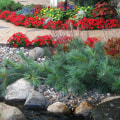
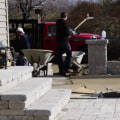
Hardscaping plays a crucial role in shaping functional and visually appealing outdoor environments. Unlike softscape elements such as grass and plants, hardscaping refers to the permanent, non-living features that define structure and usability. Patios, walkways, and walls form the backbone of many landscapes, creating spaces for gathering, movement, and support. When designed thoughtfully, these elements enhance both the beauty and practicality of outdoor areas, transforming yards into extensions of the home.
Patios: Creating Spaces for Connection
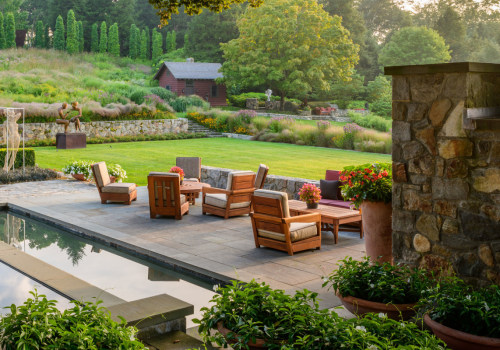
Patios are among the most popular hardscaping features because they provide a dedicated area for relaxation, dining, and entertainment. Constructed from materials such as pavers, concrete, stone, or brick, patios offer durability and design flexibility. Their placement and size influence how people interact with outdoor spaces, whether hosting guests or enjoying quiet moments. A well-designed patio considers drainage, surface texture, and integration with surrounding landscaping to ensure comfort and longevity.
Walkways: Guiding Movement With Purpose
Walkways serve both functional and aesthetic purposes in landscape design. They guide foot traffic, protect lawn areas from wear, and connect different zones of a property. Materials such as stone slabs, gravel, pavers, or stamped concrete can be selected to match the overall style of the landscape. Beyond appearance, walkways must be designed for safety, with proper grading and slip-resistant surfaces. Clear, intentional pathways improve accessibility while enhancing the overall flow of the outdoor environment.
Walls: Structure, Support, and Style
Walls are versatile hardscaping elements that provide both structural support and visual interest. Retaining walls help manage changes in elevation, prevent soil erosion, and create level planting areas. Decorative walls define boundaries, add privacy, and contribute to the overall aesthetic of a landscape. Material choice, height, and placement all influence how walls function within a space. When integrated properly, walls balance form and function, contributing to a cohesive and organized outdoor design.
The Importance of Cohesive Design
Successful hardscaping depends on harmony between patios, walkways, walls, and surrounding softscape features. Each element should complement the others in scale, color, and texture. Proper planning ensures that hardscaping enhances usability without overwhelming natural elements. Professional landscapers often consider factors such as climate, soil conditions, and maintenance requirements to create long-lasting designs. Companies like Organic Solutions Lawn Care and Landscaper Idaho emphasize sustainable practices and thoughtful material selection to ensure hardscaping features remain both functional and environmentally responsible.
Long-Term Value and Maintenance
Hardscaping adds lasting value to properties by improving usability and reducing maintenance in high-traffic areas. Unlike lawns that require regular care, hardscape features offer durability and stability with minimal upkeep. However, proper installation is essential to prevent issues such as shifting, cracking, or drainage problems. Periodic cleaning and inspections help preserve appearance and function over time.
Building Outdoor Spaces With Purpose
Patios, walkways, and walls are essential components of well-designed landscapes. Together, they create structure, guide movement, and support outdoor living. When planned and installed with intention, hardscaping elements enhance property value, usability, and visual appeal. By understanding their roles and integrating them thoughtfully, homeowners can create outdoor spaces that are both beautiful and built to last.